
6 Critical Signs Your Property Needs Spray Foam Insulation
In an era where energy efficiency is becoming increasingly crucial, homeowners and property managers are seeking ways to enhance their buildings' thermal envelopes. One modern solution receiving significant attention is spray foam insulation. This advanced material expands upon application to create a custom-fit barrier that traditional batts simply cannot match.
The following guide explores several indicators that your property could benefit from this innovative method. By examining diverse scenarios, from fluctuating utility costs to structural health, property owners can determine if it is time to transition away from traditional materials. Consulting with professional spray foam insulation contractors can help identify these specific vulnerabilities in your home's construction. Understanding these signs allows for informed decision-making that impacts both daily comfort and long-term financial health.
1. Analyzing Higher Than Average Energy Bills
One of the first signs that a property may require an insulation upgrade is consistently high energy bills. Homeowners should compare their monthly consumption to similar properties in their local area to determine if their usage is disproportionately high. Unexpected spikes in utility costs often signal that the building envelope is failing to retain conditioned air.
Consulting with spray foam insulation contractors can help identify where these specific energy leaks are occurring. By using thermal imaging technology, these professionals can pinpoint exactly where heat is escaping during the winter or infiltrating during the summer. Addressing these invisible gaps is the most effective way to stabilize your utility expenditures and prevent the financial drain caused by an unsealed building envelope.
Identifying Common Energy Loss Points
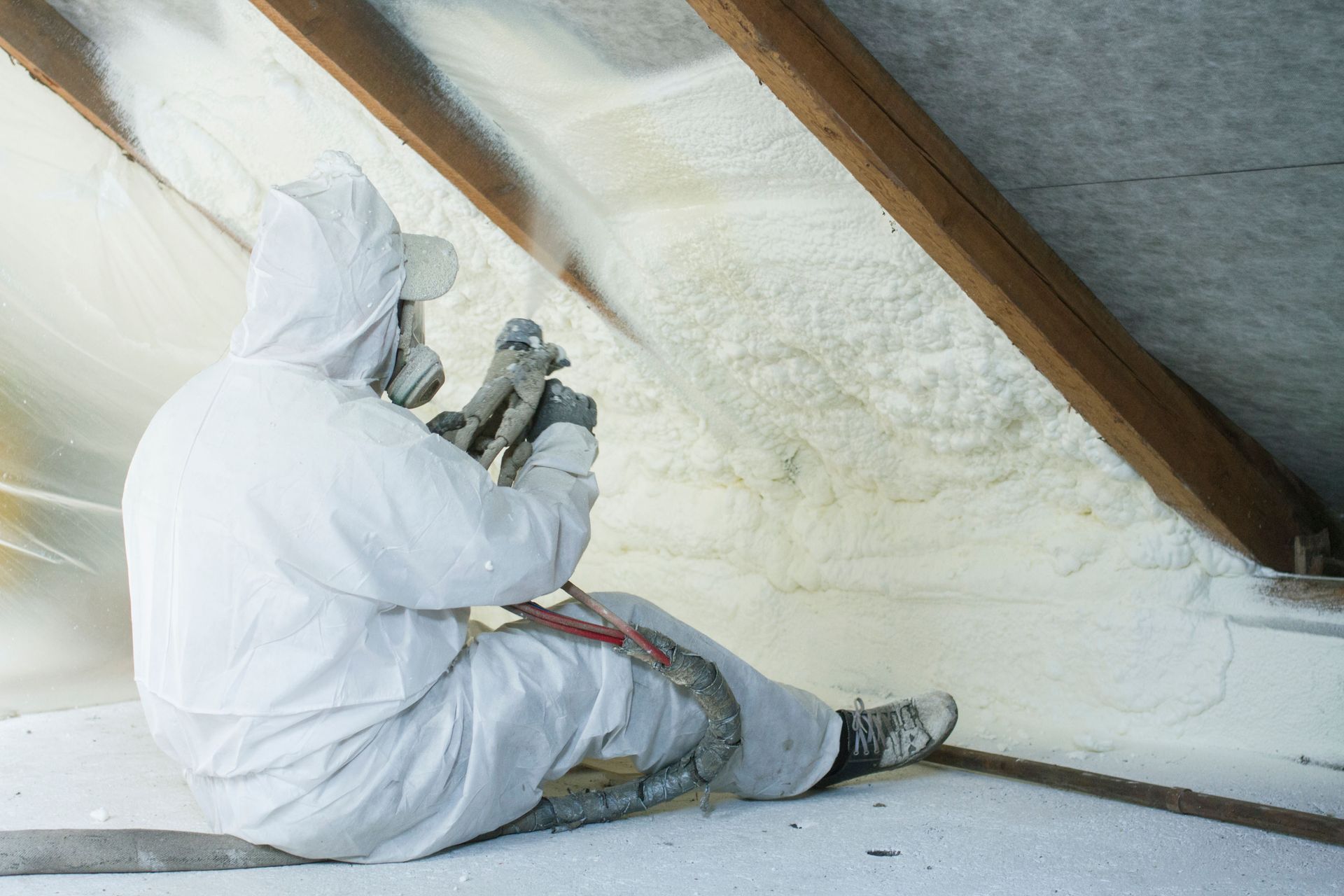
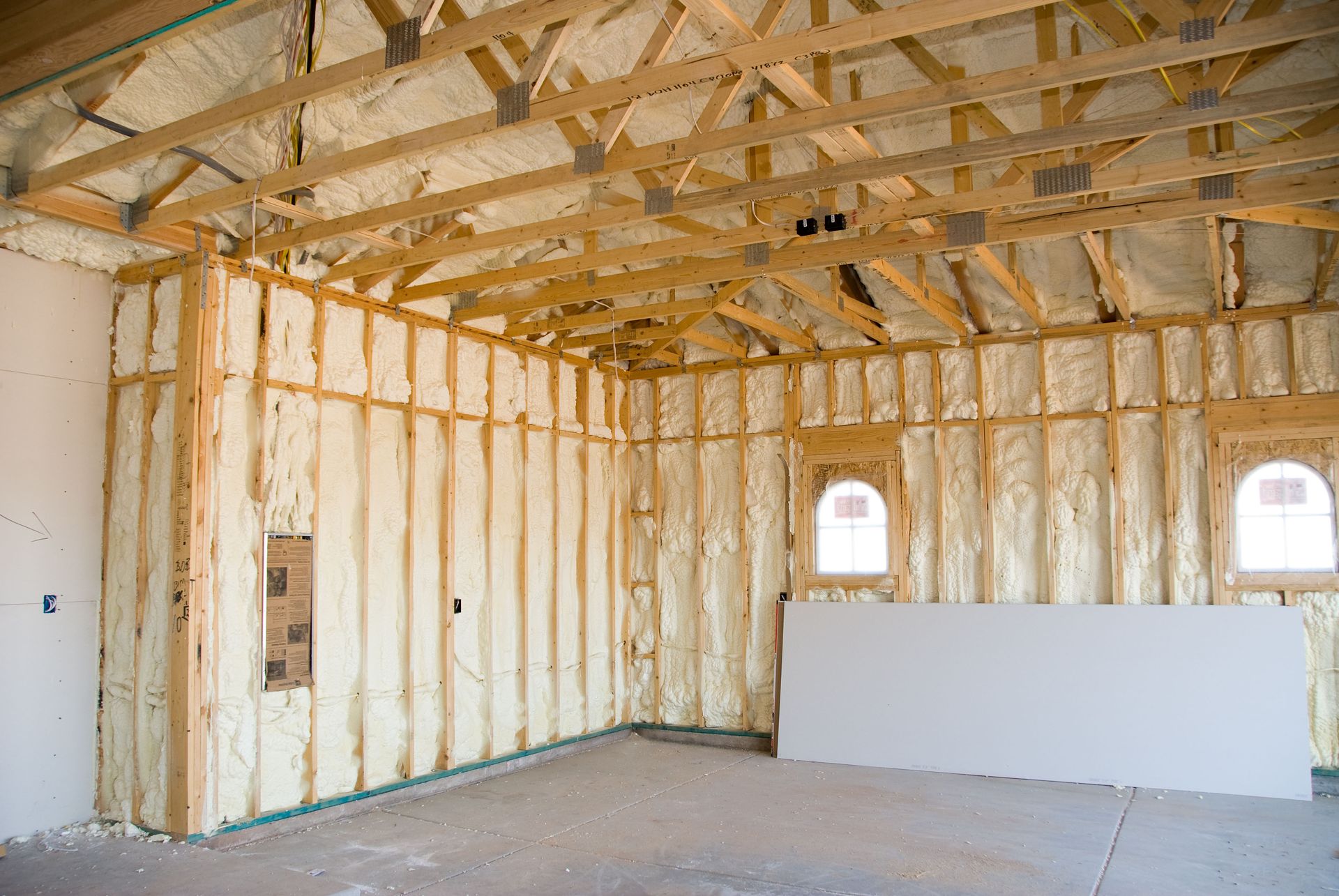
Traditional insulation methods, such as fiberglass batts or blown-in cellulose, often leave microscopic gaps that lead to substantial energy loss. These inefficiencies are most common in attics, crawl spaces, and within wall cavities. Spray foam effectively fills these voids, preventing the escape of heated or cooled air. This reduction in air leakage keeps your HVAC system operating less frequently, thereby conserving power and stabilizing your monthly overhead.
Evaluating the Cost-Benefit Ratio
When considering the financial commitment, homeowners must weigh the initial expense against the projected long-term savings. According to cost analysis data from Modernize, installing 3.5 inches of spray foam within a standard 2x4 wall cavity typically costs between $1.40 and $2.28 per square foot for the open-cell variety, while closed-cell options generally range from $3.50 to $5.25 per square foot. While this represents a higher upfront cost than fiberglass, the return on investment is often realized much faster through the drastic reduction of monthly utility expenses.
2. Correcting Uneven Indoor Temperatures
Uneven indoor temperatures are frequently a symptom of thermal bridging, where heat or cold bypasses insulation through the solid parts of a building's structure, such as wooden studs or metal frames. This results in hot or cold rooms that feel disconnected from the rest of the house. Spray foam creates a continuous, monolithic layer that minimizes this heat transfer, maintaining temperature consistency from the basement to the rafters.
Optimizing HVAC System Efficiency
Properly applied insulation significantly reduces the mechanical load on your heating and cooling equipment. By sealing air leaks, the material minimizes the need for the system to cycle on and off constantly to maintain a setpoint. This reduction in operational strain can extend the lifespan of expensive HVAC components and lower the frequency of emergency repairs.
Working with experienced spray foam insulation contractors provides a professional assessment of your current HVAC requirements. A home that has been sealed with high-performance foam can operate efficiently with a smaller, less expensive heating and cooling unit than originally installed. By stabilizing the internal climate, you move away from the short-cycling that causes premature motor failure and high electricity surges, creating a more sustainable and reliable mechanical environment for your property.
Understanding R-Value Performance
R-value measures a material's resistance to conductive heat flow. Spray foam generally offers superior R-values per inch compared to traditional materials. Because it expands to fill every nook and cranny, it maintains its rated performance more effectively over time, whereas fiberglass can sag or settle, losing its effectiveness. This high-performance barrier allows for a more balanced and energy-efficient living space regardless of the season.
3. Preventing Visible Mold and Mildew Growth
The presence of mold or mildew indicates underlying moisture issues that can compromise both respiratory health and structural integrity. Spray foam insulation, particularly the closed-cell variety, acts as an effective moisture barrier. Its expansive properties allow it to seal cracks where humid air might otherwise infiltrate and condense on cold surfaces.
Enhancing Indoor Air Quality
By minimizing moisture intrusion and eliminating the damp conditions where mold thrives, spray foam contributes to cleaner indoor air. This is a vital consideration for occupants with allergies or respiratory sensitivities. Furthermore, high-quality spray foam does not contain harmful formaldehyde, adding a layer of safety to the home’s interior environment.
Monitoring Long-Term Structural Health
While the material provides a durable solution, property owners should still perform periodic checks for signs of water intrusion from external sources like roof leaks. Professional spray foam insulation contractors can evaluate the existing state of a building's envelope so that the application remains airtight. Being proactive in this area maximizes the protective benefits of the foam and preserves the property's value.
4. Reducing Excessive Outdoor Noise
If your property is plagued by street traffic, sirens, or loud neighbors, it may be due to thin insulation. Due to its density and ability to seal every gap, spray foam acts as a superior sound barrier. Property owners who invest in this upgrade often report a dramatic decrease in ambient noise, resulting in a more serene and private interior atmosphere.
Comparing Insulation Material Densities
In terms of acoustic performance, spray foam typically outperforms light-density materials like fiberglass. The tightly packed cells within the foam are excellent at absorbing sound waves rather than allowing them to vibrate through the walls. This makes it an ideal choice for homes near airports, busy highways, or urban centers where auditory disturbances are a constant factor.
Applying Foam to Interior Walls
The soundproofing benefits are not limited to the exterior shell of the building. Applying foam to interior walls and floor joists can dampen noise between rooms, which is especially helpful in multi-generational homes or dedicated media rooms. This versatility adds a layer of acoustic privacy that enhances the overall living experience for all residents.
5. Sealing Drafts and Air Leaks
Drafts are one of the most obvious signs of insufficient insulation. Common sources include gaps around electrical outlets, plumbing stacks, and the sill plate where the house meets the foundation. These vulnerabilities allow unconditioned outdoor air to penetrate the home, forcing your furnace or air conditioner to work overtime.
Selecting Professional Application Methods
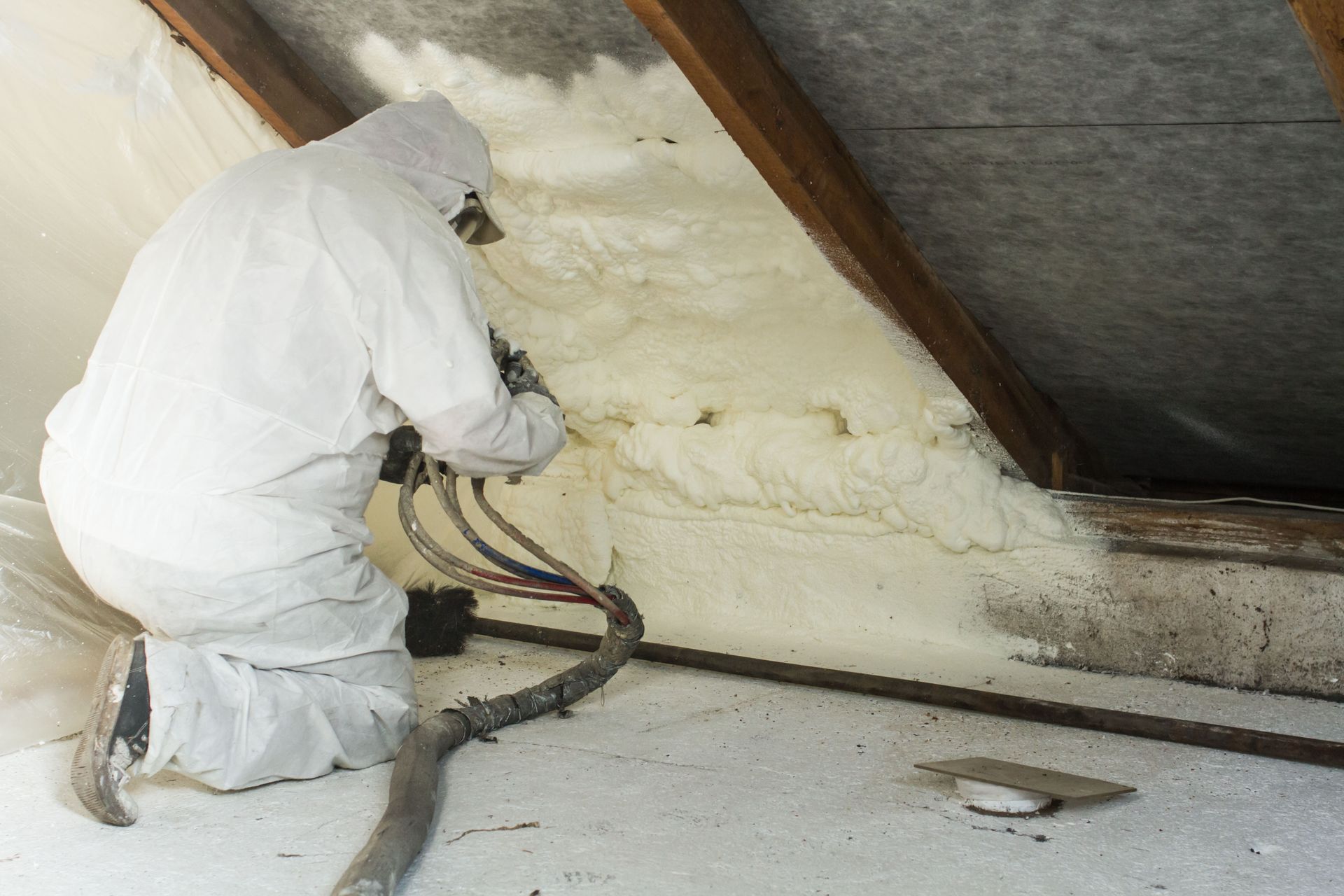
The complex nature of effective air sealing requires specialized equipment and a high degree of precision. Attempting to manage this without the proper tools can lead to incomplete coverage or chemical imbalances in the foam. Professional spray foam insulation contractors have the training for the foam to reach its full expansion and sealing potential, providing an airtight envelope that lasts for decades.
6. Increasing Long-Term Property Value
As energy costs continue to rise, homebuyers are increasingly prioritizing efficiency. A property equipped with advanced insulation stands out in competitive real estate markets, as it promises lower future utility bills and superior comfort. This can lead to higher appraisal values and a faster sales process when the time comes to move.
Committing to Sustainable Building Practices
Choosing spray foam reflects a commitment to modern, sustainable building practices. By reducing the overall carbon footprint of a building through lower energy demand, you are aligning the property with future environmental standards. This forward-thinking approach is highly valued by eco-conscious buyers and can future-proof the asset against changing regulations.
When you are ready to transform your property into a high-performance, energy-efficient sanctuary, it is essential to work with a team that understands the nuances of the local climate and structural requirements. McMahon Insulation is dedicated to providing top-tier service and precision application for every project. Our experienced spray foam insulation contractors will evaluate your property's unique needs to deliver a customized solution that stands the test of time. Contact us today to schedule your consultation and take the first step toward a more comfortable, cost-effective future.

Share On: